
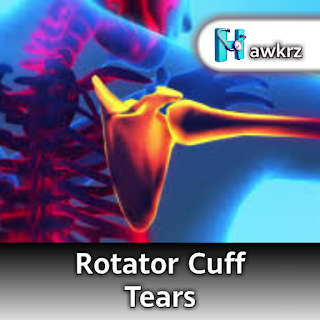
The rotator cuff, a group of four muscles and tendons surrounding the shoulder joint, plays a pivotal role in facilitating arm movements. When this intricate network sustains damage, often in the form of tears, it can lead to significant pain and impaired function. In this article, we explore the symptoms, causes, and diverse treatment options available for those grappling with the challenges of a rotator cuff tear.
Symptoms
Identifying a rotator cuff tear involves recognizing a spectrum of symptoms that may manifest gradually or suddenly. Common indicators include:
1. Pain: Persistent pain in the shoulder, especially when lifting or rotating the arm, is a hallmark symptom. The discomfort may extend down the arm and be more pronounced during sleep.
2. Weakness: Weakening of the arm and difficulty in performing routine tasks, such as reaching for objects or lifting, may be indicative of a rotator cuff tear.
3. Limited Range of Motion: Individuals with a tear often experience reduced flexibility and find it challenging to move the arm freely in various directions.
4. Crackling Sensation: Some may notice a crackling or popping sound in the shoulder when moving the arm, known as crepitus, which can be a sign of a tear.
5. Muscle Atrophy: In chronic cases, muscle atrophy (wasting away) in the affected shoulder may become apparent.
It’s crucial to note that these symptoms can vary in intensity, and not everyone with a rotator cuff tear will experience all of them.
Causes
Rotator cuff tears can stem from a range of factors, with the underlying cause often linked to wear and tear over time. Common causes include:
1. Age-related Changes: The natural aging process contributes to changes in the tendons, making them more susceptible to tearing, especially in individuals over the age of 40.
2. Overuse and Repetitive Motion: Occupations or activities that involve repetitive overhead arm movements or heavy lifting may lead to gradual wear on the rotator cuff tendons.
3. Trauma or Injury: Acute injuries, such as falls or direct blows to the shoulder, can result in sudden tears. These injuries are not exclusive to athletes and can affect individuals from various walks of life.
4. Poor Posture: Prolonged poor posture, especially in activities involving forward-leaning or slouching, can contribute to the development of rotator cuff issues over time.
5. Bone Spurs: Bone spurs, or overgrowths of bone, can impinge on the rotator cuff tendons, increasing the risk of tears.
6. Genetics: There may be a genetic predisposition to rotator cuff issues, with some individuals more susceptible to tendon degeneration.
Understanding the specific cause of a rotator cuff tear is crucial for tailoring an effective treatment plan and preventing further damage.
Treatment Options
1. Conservative Measures:
- Rest and Activity Modification: Giving the shoulder adequate rest and modifying activities to avoid exacerbating symptoms is often the first line of defence.
- Physical Therapy: Targeted exercises prescribed by a physical therapist can strengthen the shoulder muscles and improve range of motion.
- Pain Management: Over-the-counter pain relievers or prescription medications may be recommended to manage pain and inflammation.
2. Therapeutic Interventions:
- Corticosteroid Injections: In cases of persistent pain and inflammation, corticosteroid injections may provide short-term relief.
- Platelet-Rich Plasma (PRP) Therapy: PRP injections, using a concentrated form of the patient’s blood, aim to stimulate healing in the damaged tendons.
3. Surgical Options:
- Arthroscopic Repair: Minimally invasive procedures, such as arthroscopy, involve using small incisions and a camera to repair the torn tendons.
- Open Surgery: In some cases, particularly for large or complex tears, traditional open surgery may be necessary.
4. Rehabilitation and Postoperative Care:
Following surgery, a structured rehabilitation program is crucial to ensure a successful recovery. Physical therapy will focus on gradually restoring strength and function to the shoulder.
5. Lifestyle Modifications:
Adopting proper body mechanics and shoulder-friendly techniques in daily activities can help prevent further strain on the rotator cuff.
Conclusion
A rotator cuff tear can be a challenging and painful condition, impacting one’s daily life and activities. Recognizing the symptoms, understanding the causes, and exploring the diverse treatment options available are essential steps toward effective management. While conservative measures often prove successful, more severe cases may require surgical intervention. Seeking prompt medical attention and collaborating with healthcare professionals can pave the way for tailored treatment plans, facilitating a smoother journey towards recovery and restored shoulder function.